Enhancing ESG Adherence: How Data Center Solutions Promote Eco-Friendly Business Operations
Boosting ESG compliance in facility management operations is crucial in today's business landscape. As organizations face compliance demands, the value of computing facilities in supporting sustainable practices becomes critical. Diverse technologies, including advanced cooling systems and renewable energy sources, contribute significantly in this evolution. Yet, difficulties remain present in meeting these targets. Grasping these patterns is necessary for any organization striving to succeed in the green tech sector.
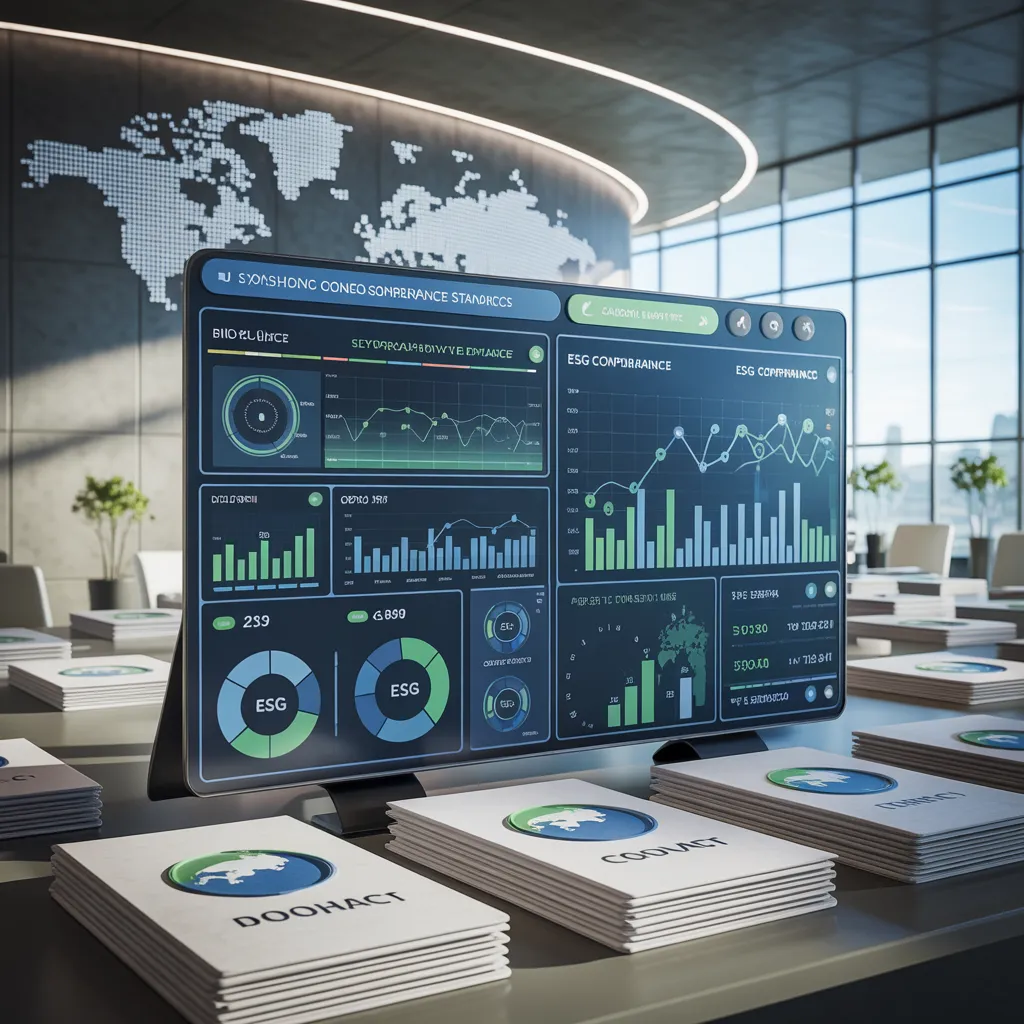
Why ESG Compliance Is Essential for Data Centers
As companies place greater emphasis on environmental responsibility, understanding the significance of ESG adherence for data centers is crucial. ESG, which represents Environmental, Social, and Governance, serves as a structure to assess how companies manage challenges and possibilities connected with sustainability. For data centers, compliance with ESG standards is vital, as these facilities use substantial energy and resources. By adhering to ESG guidelines, data centers can significantly decrease their environmental footprint, enhance operational efficiency, and advance social responsibility.
Additionally, ESG compliance can strengthen a data center's reputation, drawing green-minded clients and investors. As regulatory frameworks evolve, organizations face intensifying pressure to exhibit accountability and transparency in their operations. Non-compliance might result in monetary fines and reputational damage. Ultimately, integrating ESG considerations into data center operations is not just a regulatory obligation; it is a vital strategic move for long-term sustainability and business competitiveness in a rapidly changing market.
Key Technologies Powering Sustainable Data Center Operations
Sustainable data center operations are increasingly influenced by important innovations focused on power optimization similar article and sustainable energy adoption. Innovations in cooling systems and energy distribution are improving energy utilization, while the implementation of renewable energy technologies is decreasing carbon footprints. Together, these advancements are shaping a more eco-conscious approach to data center operations.
Energy Conservation Breakthroughs
A remarkable evolution in data center performance is driven by energy efficiency innovations that apply advanced technologies. These solutions incorporate advanced cooling systems, such as liquid cooling and immersion cooling, which markedly reduce energy consumption compared to traditional methods. Additionally, the implementation of artificial intelligence and machine learning optimizes resource allocation, improving operational efficiency. Smart power distribution units (PDUs) monitor and manage energy use dynamically, additionally curtailing waste. Furthermore, virtualization techniques facilitate better server utilization, limiting the need for physical hardware. Together, these advancements contribute to lower carbon footprints and operational costs, aligning data centers with responsible business practices while meeting regulatory ESG compliance requirements. Consequently, energy efficiency innovations play an vital role in shaping the future of sustainable data center operations.
Renewable Energy Deployment
Integrating clean energy sources is essential for advancing eco-friendly data center operations. Data centers increasingly rely on solar, wind, and geothermal energy to power their facilities, considerably reducing carbon footprints. Technologies such as energy storage systems, including lithium-ion batteries, help control energy supply and demand, guaranteeing continuous operation during periods of low renewable generation. Additionally, advanced energy management software optimizes energy consumption by examining usage patterns and responding to real-time conditions. Many data centers are also exploring Power Purchase Agreements (PPAs) that lock in long-term renewable energy contracts, promoting financial stability while encouraging green energy development. By adopting these technologies, data centers not only enhance their sustainability but also support broader ESG compliance efforts, matching business practices with environmental stewardship.
Enhancing Power Effectiveness to Reduce Ecological Impact
Enhancing energy efficiency is necessary for data centers attempting to reduce their environmental footprint. This can be executed through innovative infrastructure design, modern cooling methods, and the blending of renewable energy sources. By emphasizing these areas, data centers can strengthen sustainability while keeping production efficiency.
Green Energy Infrastructure Planning
Designing sustainable infrastructure stands as an essential strategy for data centers seeking to reduce their ecological impact. By leveraging high-performance materials, optimizing layouts, and incorporating clean energy options, data centers can considerably decrease energy consumption. Implementing efficient lighting systems and smart power distribution systems further enhances operational efficiency. Additionally, strong power management systems allow for real-time monitoring, allowing data centers to detect and correct inefficiencies quickly. The adoption of modular designs can also facilitate scalability while preserving energy efficiency. Ultimately, these infrastructure improvements not only bolster compliance with environmental, social, and governance (ESG) standards but also encourage long-term sustainability. Through strategic design, data centers contribute to a greener future while enhancing their overall operational effectiveness.
State-of-the-art Cooling Technologies
Advanced cooling solutions are key in enhancing energy efficiency within data centers while minimizing their environmental impact. Innovations like fluid cooling solutions, which convey heat immediately from critical components, significantly lower energy consumption compared to traditional air cooling methods. Furthermore, smart cooling solutions use sensors and AI algorithms to flexibly regulate cooling according to real-time demand, enhancing energy use. The use of passive cooling methods leverages climatic factors, enabling data centers to work optimally without depending only on mechanical systems. By embracing these advanced cooling strategies, organizations can achieve major reductions in energy use efficiency, ultimately aiding in lower greenhouse gas emissions and creating a more sustainable operational footprint.
Clean Energy Integration
The integration of renewable energy sources into data center operations represents a substantial step towards achieving environmental goals. By utilizing solar, wind, and hydroelectric power, data centers can significantly reduce their carbon footprints. These facilities are progressively adopting power-saving technologies that optimize power usage, such as advanced power management systems and smart grid solutions. Additionally, incorporating energy storage solutions allows for improved management of renewable energy supply, ensuring a stable power flow even during variable conditions. This change not only lowers operational costs but also enhances compliance with Environmental, Social, and Governance (ESG) standards. Ultimately, renewable energy integration fosters a more sustainable approach to data center management, aligning business practices with broader environmental objectives.
Efficient Resource Allocation Methods for Sustainable Data Centers
While many entities champion sustainability, effective resource management techniques are vital for data centers intent on minimize environmental impact. Putting in place cutting-edge cooling systems, such as liquid cooling or free air cooling, can notably reduce energy consumption. Moreover, using virtualization technologies allows for best use of physical servers, decreasing the need for additional hardware and energy.
Consistent assessment of energy consumption through data analytics helps pinpoint inefficient operations and possibilities for enhancement. Furthermore, using modular designs enables data centers to scale resources according to actual needs, preventing overprovisioning.
Implementing a strong waste recovery initiative for e-waste is crucial for reducing landfill waste. Moreover, engaging in eco-friendly sourcing methods guarantees that all resources acquired meet environmental standards. Together, these approaches form an all-encompassing strategy for data centers to operate more sustainably, ultimately supporting broader ESG compliance objectives while enhancing performance productivity.
Showcasing ESG Adherence Success Stories in Data Centers
As businesses increasingly prioritize going green, several data centers have established themselves as examples of ESG standards, presenting novel approaches to ecological care. One significant case is a installation in Amsterdam that uses advanced refrigeration technologies, substantially reducing energy needs while maintaining peak output. This installation has achieved a 40% drop in carbon emissions through the adoption of clean power sources, such as wind and solar power.
One notable achievement is a data center in Singapore that focuses on water conservation by implementing a self-contained cooling system, minimizing water usage by 70%. This facility also engages with local communities to foster sustainability awareness and sustainability efforts.
Additionally, a data center in Northern Virginia has adopted strict waste reduction procedures, channeling over 90% of its waste from landfills. These inspiring examples highlight how data centers can set the standard in ESG compliance, setting benchmarks for sustainable practices in the industry.
What Difficulties Do Data Centers Confront in Meeting ESG Compliance?
Achieving ESG compliance entails multiple challenges for data centers, even with the inspiring examples of success provided earlier. A major hurdle is the large energy consumption connected to data center operations, which leads to substantial carbon footprints. Many centers face difficulties in implementing renewable energy alternatives because of financial constraints or infrastructural limitations. Moreover, regulatory requirements fluctuate widely across regions, making compliance a complex, fragmented process that requires constant monitoring and adaptation.
Another hurdle lies in the integration of eco-friendly initiatives within current business processes. Data centers often encounter challenges in upgrading older facilities to meet modern ESG standards. Furthermore, the evolving nature of technology requires ongoing funding in upgrades, which can pressure budgets. Finally, employee development and understanding regarding ESG principles are essential yet often overlooked, further complicating compliance with sustainability goals. These challenges highlight the need for deliberate preparation and innovation in data center operations to achieve meaningful ESG compliance.
Emerging Directions in Data Center Eco-Friendliness and ESG Requirements
The rising developments in data center sustainability and ESG compliance are set to reshape the industry landscape markedly. The increasing adoption of sustainable power options, such as solar and wind, is a main priority, as data centers seek to minimize their greenhouse gas emissions. Additionally, the integration of sophisticated thermal management systems, including liquid cooling and free-air cooling, is gaining traction to enhance energy efficiency.
Furthermore, the surge of AI and ML in resource optimization facilitates data centers to optimize operations, reducing waste and maximizing energy efficiency. Regulatory requirements are also progressing, urging organizations to adopt more demanding ESG standards.
As investors require greater visibility, data centers will increasingly utilize blockchain solutions to guarantee accountability in their environmental initiatives. Together, these trends will not only drive compliance but also foster advancement, establishing data centers as leaders in the transition to a more sustainable digital economy.
Frequently Posed Questions
Modest Data Centers: In What Means to Boost ESG Regulatory Efforts?
Small data centers can strengthen ESG compliance by implementing efficient-energy innovations, establishing waste reduction plans, optimizing resource management, and performing forthright reporting. Teamwork with stakeholders further solidifies their commitment to green business practices and transparency.
What Contribution Do Involved Parties Provide in Data Center ESG Initiatives?
Stakeholders are fundamental to data center ESG initiatives by communicating perspectives, assets, and responsibility. Their engagement strengthens collaboration, making certain that environmental aims work in harmony with operational practices and community expectations, ultimately increasing overall compliance and effectiveness.
Do Data Centers Have Credentials That Emphasize ESG Compliance?
Yes, several credentials exist for data centers focusing on ESG compliance, such as ISO 14001 for environmental management and LEED for energy efficiency. These standards help guarantee that installations meet sustainability standards and stakeholder needs.
How Does ESG Compliance Impact Data Center Expenses and Price Points?
ESG compliance can increase data center expenses due to capital allocation in green systems and practices. However, it may also lead to long-term economic benefits and refined rate models by engaging eco-aware organizations and improving brand credibility.
What Are Common Misunderstandings About ESG in Data Centers?
There are frequent misconceptions about ESG in data centers, including the assumption that compliance is merely a financial burden, that it's unrelated to operational efficiency, and that it solely pertains to large enterprises, ignoring smaller organizations' obligations.